

Empower Your Health, Protect Your Future
Select Your Age Range to Understand How to Protect Your Health

15–24
Cervical Cancer Screening*†1
- Under 21 years of age: no Cervical Cancer Screening
- Starting at 21 years of age: Pap test (cytology) every three years‡
Sexual health4
- Chlamydia & Gonorrhea: Annual screening is recommended for all sexually active women younger than 25 years
- Mycoplasma genitalium (M. gen): women with recurrent cervicitis should be tested and testing should be considered among women with PID
- Trichomonas (TV):
- Testing should be performed for women seeking care with vaginal discharge
- Screening should be considered for women seeking care in high-prevalence¶ settings and asymptomatic women at high risk§ for infection
Vaginal Health4
- Bacterial vaginosis (BV): all women diagnosed with BV should be tested for STIs
* The American College of Obstetricians and Gynecologists (ACOG) joins ASCCP and the Society of Gynecologic Oncology (SGO) in endorsing the U.S. Preventive Services Task Force (USPSTF) cervical cancer screening recommendations, which replace ACOG Practice Bulletin No. 168, Cervical Cancer Screening and Prevention, as well as the 2012 ASCCP cervical cancer screening guidelines.3,4
‡ Primary hrHPV testing is FDA approved for use starting at age 25 years and ACOG, ASCCP, and SGO advise that primary hrHPV testing every 5 years can be considered as an alternative to cytology-only screening in average-risk patients aged 25-29 years.
§ Increased risk includes women who have new or multiple partners, whose partners have concurrent partners or who have sexually transmitted infections, who have a history of STDs themselves, or who exchange sex for payment.4,5
¶High prevalence settings include STI/sexual health clinics, adolescent clinics and correctional facilities.4

21–29
Cervical Cancer Screening*†1
- Pap test (cytology) every three years‡
Sexual health4
- Chlamydia & Gonorrhea:
- Annual screening is recommended for all sexually active women younger than 25 years
- Screening is recommended for women age 25 or older with increased risk§ factors
- Mycoplasma genitalium (M. gen): women with recurrent cervicitis should be tested and testing should be considered among women with PID
- Trichomonas (TV):
- Testing should be performed for women seeking care with vaginal discharge
- Screening should be considered for women seeking care in high-prevalence¶ settings and asymptomatic women at high risk§ for infection
Vaginal Health4
- Bacterial vaginosis (BV): all women diagnosed with BV should be tested for STIs
* The American College of Obstetricians and Gynecologists (ACOG) joins ASCCP and the Society of Gynecologic Oncology (SGO) in endorsing the U.S. Preventive Services Task Force (USPSTF) cervical cancer screening recommendations, which replace ACOG Practice Bulletin No. 168, Cervical Cancer Screening and Prevention, as well as the 2012 ASCCP cervical cancer screening guidelines.3,4
‡ Primary hrHPV testing is FDA approved for use starting at age 25 years and ACOG, ASCCP, and SGO advise that primary hrHPV testing every 5 years can be considered as an alternative to cytology-only screening in average-risk patients aged 25-29 years.
§ Increased risk includes women who have new or multiple partners, whose partners have concurrent partners or who have sexually transmitted infections, who have a history of STDs themselves, or who exchange sex for payment.4,5
¶High prevalence settings include STI/sexual health clinics, adolescent clinics and correctional facilities.4

30–65
Cervical Cancer Screening*†1
- Any one of the following:
- Pap + HPV together (co-testing) every 5 years
- Pap test (cytology) every three years‡
- HPV alone every 5 years
Sexual health4
- Chlamydia & Gonorrhea: screening is recommended for women age 25 or older with increased risk§ factors
- Mycoplasma genitalium (M. gen): women with recurrent cervicitis should be tested and testing should be considered among women with PID
- Trichomonas (TV):
- Testing should be performed for women seeking care with vaginal discharge
- Screening should be considered for women seeking care in high-prevalence¶ settings and asymptomatic women at high risk§ for infection
Vaginal Health4
- Bacterial vaginosis (BV): all women diagnosed with BV should be tested for STIs
* The American College of Obstetricians and Gynecologists (ACOG) joins ASCCP and the Society of Gynecologic Oncology (SGO) in endorsing the U.S. Preventive Services Task Force (USPSTF) cervical cancer screening recommendations, which replace ACOG Practice Bulletin No. 168, Cervical Cancer Screening and Prevention, as well as the 2012 ASCCP cervical cancer screening guidelines.3,4
‡ Primary hrHPV testing is FDA approved for use starting at age 25 years and ACOG, ASCCP, and SGO advise that primary hrHPV testing every 5 years can be considered as an alternative to cytology-only screening in average-risk patients aged 25-29 years.
§ Increased risk includes women who have new or multiple partners, whose partners have concurrent partners or who have sexually transmitted infections, who have a history of STDs themselves, or who exchange sex for payment.4,5
¶High prevalence settings include STI/sexual health clinics, adolescent clinics and correctional facilities.4
Your Questions Answered
Cervical Cancer Screening
- What is cervical cancer?
- Cervical cancer happens when cells in the cervix grow in an unhealthy way. It usually develops slowly over many years. Regular screening helps find changes early, before cancer starts.6
- How does cervical cancer occur?7
- The cervix is the opening to the uterus and is located at the top of the vagina. It is covered by a thin layer of tissue made up of two types of cells: 1) “skin-like” cells called squamous cells and 2) glandular cells that produce the mucus in the cervix.
- Cancer occurs when cervical cells become abnormal and, over time, grow out of control. The cancer cells invade deeper into the cervical tissue. In advanced cases, cancer cells can spread to other organs of the body.
- What is a Pap test?
- A Pap test checks for abnormal cells on your cervix that could turn into cancer if not treated. Your provider gently collects a small sample of cells from your cervix.8
- What is an HPV test?
- An HPV test looks for the virus that can cause cervical changes. Some doctors do both the Pap and HPV test together—this is called co-testing.8
- How often should I get screened?2
- Ages 21–29: Pap test every 3 years.
- Ages 30–65: Choose one of these:
- Pap + HPV together (co-testing) every 5 years
- Pap test alone every 3 years
- HPV test alone every 5 years
- Do I need screening if I feel fine?
- Yes. Cervical changes rarely cause symptoms early on. Regular screening helps catch problems before they become cancer.8
- Does the Pap or HPV test hurt?
- You might feel mild pressure or slight discomfort for a few seconds, but it shouldn’t be painful. The test is quick and safe.
- What happens if my test results are abnormal?
- Abnormal results don’t mean you have cancer. It just means your doctor wants to check more closely, sometimes with another test called a colposcopy.7
- Do I need screening after menopause?
- Screening guidelines recommend average risk women should continue screening until age 65.2,7
- Where can I go for screening?
- You can get screened at your doctor’s office, OB/GYN clinic, community health center, or local health department.8
Sexually Transmitted Infections (STIs)
- What is Chlamydia?
- Chlamydia is a common STI that can infect both men and women. If not treated, it can cause a disease called Pelvic Inflammatory Disease (PID) in women, which can lead to ectopic pregnancy or infertility.9
- What is Gonorrhea?
- Gonorrhea is an STI that can infect the genitals, rectum, and throat. It’s quite common, especially among young people aged 15 to 24 years. If not treated, it can cause a disease called Pelvic Inflammatory Disease (PID) in women, which can lead to ectopic pregnancy or infertility.4,1
- What is Trichomonas vaginalis (TV)?
- TV is a very common STI caused by a parasite. Only about 30% of people with TV have symptoms. If not treated, it can increase the chances of getting other STIs, including HIV. It can also lead to problems in pregnancy, like preterm birth and premature rupture of membranes. Among women who are HIV+, TV is associated with an increased risk for PID.4,11
- What is Mycoplasma genitalium (M. gen)?
- M. gen is an STI that can cause infection in people who are sexually active. It can infect the cervix, the inside of the penis, or the rectum. People with M. gen often don’t have symptoms. If left untreated, it can cause serious and permanent health problems in women, including scar tissue formation that blocks fallopian tubes, ectopic pregnancy, infertility, and long-term pelvic and abdominal pain. Pregnant people with M. gen may be at risk for preterm delivery or pregnancy loss.12
- What are the most common symptoms of STIs?4,13
- Some STIs may not cause symptoms, but they can still cause harm if left untreated. Treating them is essential to avoid health problems.
- However, many different STIs may cause similar symptoms, and co-infections of multiple STIs or vaginitis can be common, so it’s important to be aware of the overlapping symptoms:
- Abnormal discharge
- Vaginal odor
- Vaginal irritation
- Pain during sex/urination
- Can I have an STI and not show any symptoms?
- Yes, some STIs may not cause symptoms, but they can still cause harm if left untreated.14
- More than 84% of chlamydia and gonorrhea infections are asymptomatic15
- About 70% of trichomonas infections are asymptomatic.11
- How are STIs diagnosed?
- Testing might involve a quick vaginal swab, a urine sample or even a physical exam.16
- What is a screening test?16
- A screening test is done to detect potential health disorders or diseases in people who do not have any symptoms of disease. The goal is to find early signs or risks of a certain disease or condition. This helps catch potential issues early, so doctors can act sooner.
- How can I prevent getting an STI?
- To stay healthy and take care of your sexual health, remember these tips14,17:
- Always use protection during sex to protect yourself from infections
- Consider getting regular STI testing, especially if you have more than one partner.
- Talk openly with your healthcare provider about STIs and vaginal health. They are there to support you, provide accurate information, and guide you through testing and treatment. Don’t hesitate to ask questions and give them accurate information.
- To stay healthy and take care of your sexual health, remember these tips14,17:
- How often and when should I be testing for Chlamydia, Gonorrhea, TV and M. gen?
- STI guidelines for testing include4,9-10:
- Chlamydia (CT): Annually for sexually active women younger than 25 years, and women over 25 with risk factors like new or multiple sex partners or a partner with an STI should get screened for chlamydia every year. When symptoms are present, patients may notice abnormal or smelly discharge, a burning sensation when peeing, rectal pain, bleeding, or an unusual sore.
- Gonorrhea (NG): Annually for sexually active women younger than 25 years, and women over 25 with risk factors like new or multiple sex partners or a partner with an STI, should get screened for gonorrhea every year. When symptoms are present, they can include painful or burning sensations when peeing, increased discharge, vaginal bleeding between periods, anal itching, soreness, and painful bowel movements.
- Trichomonas (TV): Doctors should test for TV in women seeking care for vaginal discharge. In certain situations, symptom-free women may also need testing.
- Mycoplasma genitalium (M. gen): Women with recurrent cervicitis or PID should be tested for M. gen. However, testing is not suggested for symptom-free women.
- STI guidelines for testing include4,9-10:
- Do I need to be re-tested after receiving treatment?
- Re-testing is recommended for all individuals diagnosed with chlamydia, gonorrhea, or trichomoniasis, with women advised to retest three months after treatment.9-11
- Does my partner need to be treated if I have an STI?
- Sexual partners of individuals with chlamydia or gonorrhea should be referred for evaluation, testing and preventative treatment if they have had sexual contact within the previous 60 days. Partners should abstain from intercourse until all partners have been treated and symptoms have resolved. For trichomoniasis, all current sexual partners should be referred for presumptive therapy to prevent reinfections. Sexual partners of patients with symptomatic M. genitalium infection can be tested, and those with a positive test can be treated to possibly reduce the risk for reinfection.4
Vaginitis
- What is vaginitis and what causes it?4,18-19
- Vaginitis affects millions of women worldwide. It refers to the inflammation or infection of the vagina, resulting in discomfort, abnormal discharge, and sometimes itching or irritation.
- It can be caused by various factors, including infection, hormonal changes, and allergic reactions.
- Understanding the underlying causes of vaginitis and receiving the proper diagnosis are crucial for managing this condition effectively.
- What other triggers increase the likelihood of vaginitis?19,20
- Unbalanced Bacteria: Too much or the wrong bacteria in your vagina can lead to irritation.
- Sexual Activity: New or multiple partners can increase the risk of vaginitis.
- Irritating Products: Using strong soaps, douches, scented products, or detergents can cause irritation.
- Hormone Changes: Less estrogen, like after menopause or during breastfeeding, can make the vagina more susceptible to irritation.
- Health Conditions: Issues like uncontrolled diabetes or taking antibiotics can upset the natural balance in your vagina.
- What are the common symptoms of vaginitis?4
- Common symptoms of vaginitis include: unusual vaginal discharge, itching or irritation inside or around the vagina, burning sensation during urination, vaginal odor and/or discomfort during intercourse.
- If you experience any of these symptoms, it’s important to consult with your healthcare provider.
- Are there different types of vaginitis?
- Yes, there are 3 common types of vaginitis19:
- Bacterial vaginosis (BV): Caused by an imbalance of normal bacteria in the vagina.
- Yeast infection (Candidiasis): Caused by an overgrowth of the fungus Candida.
- Trichomoniasis: A sexually transmitted infection (STI) caused by the parasite Trichomonas vaginalis.
- Yes, there are 3 common types of vaginitis19:
- How is vaginitis diagnosed?
- Testing might involve a quick vaginal swab, or even a physical exam.4
- What treatments are available for vaginitis?4
- Treatment depends on the type and cause of the condition. Your healthcare provider will help determine the appropriate treatment plan based on your diagnosis.
- Treatment plans may include medication or other recommendations to get you feeling better. It is essential to complete the full course of treatment prescribed by your provider to help prevent recurrence, even if symptoms improve before the medication is finished.
- Can vaginitis go away on its own, or does it always need treatment?
- In some cases, vaginitis will go away without treatment. However, treatment can help avoid the increased chance of serious health risks including4:
- Getting or transmitting HIV
- Premature birth if pregnant
- Getting other STIs like chlamydia or gonorrhea
- Pelvic Inflammatory Disease (PID), which can make it difficult to have children
- In some cases, vaginitis will go away without treatment. However, treatment can help avoid the increased chance of serious health risks including4:
- Can vaginitis affect my ability to get pregnant?
- Treating vaginitis can reduce the risk of serious health complications, such as Pelvic Inflammatory Disease (PID), which may affect fertility.4
- How can I prevent vaginitis from happening or recurring?
- Once you’ve dealt with vaginitis, here are some tips to prevent it from coming back19:
- Keep genitals clean with mild soap and water
- Stay away from douching
- Use condoms during sexual intercourse
- Take the full course of prescribed medication
- Once you’ve dealt with vaginitis, here are some tips to prevent it from coming back19:
- Should my partner be treated if I have vaginitis?4,21
- If you are experiencing recurrent symptoms of bacterial vaginosis, your healthcare provider may recommend that your male partner also receive treatment. This could include both oral medication and topical treatments to help reduce the chances of the infection coming back.
- If you have Trichomonas vaginalis, your current sexual partner should also get treated, even if they don’t have symptoms. Both you and your partner should avoid having sex until you have both finished treatment and any symptoms have gone away. This helps prevent passing the infection back and forth.
Ask Your Provider
About Comprehensive Testing
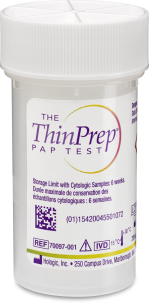
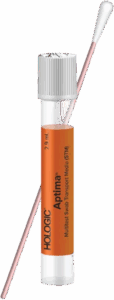
Discover the capabilities of the ThinPrep® Pap Test Vial and the Aptima® Multitest Swab.
Take charge of your health and ask about these options today!

Let’s Connect
Have a question or need to talk to a Hologic team member? We’re here to help.